


The Indian summer is notoriously harsh, especially for your vehicle’s exterior. With temperatures frequently crossing 45 degrees Celsius in many parts of the country, your car’s paint is under constant assault from intense UV radiation and thermal expansion. Whether you drive a common hatchback or a luxury sedan, the result is often the same: a dull, chalky finish that robs your vehicle of its resale value and aesthetic appeal. The extreme heat accelerates the chemical breakdown of the clear coat, leading to premature aging and oxidation.
Beyond just the temperature, Indian road conditions introduce a cocktail of dust, pollution, and hard water. When these elements interact with a surface heated by the afternoon sun, they can become etched into the paintwork. Protecting your car is no longer just about aesthetics; it is a critical maintenance step to preserve the structural integrity of the body panels and prevent rust from taking hold in microscopic cracks caused by heat-induced stress.
Paint fading is primarily caused by Ultraviolet (UV) radiation. UV rays have enough energy to break the chemical bonds in the paint’s pigment, a process known as photo-degradation. In tropical climates like India, the high angle of the sun means these rays are more direct and powerful. As the pigment breaks down, the paint loses its ability to reflect light, resulting in a matte, faded look. This is most noticeable on darker colors like red, black, and deep blue, which absorb more heat than lighter shades.
Furthermore, heat causes the metal body of the car to expand during the day and contract at night. This constant movement can cause the paint and clear coat to develop ‘micro-checking’ or tiny cracks. Once the clear coat is compromised, the base coat is exposed to oxygen and moisture, leading to rapid oxidation. Without a sacrificial layer of protection, your car’s factory finish can be permanently damaged within just a few seasons of extreme heat exposure.
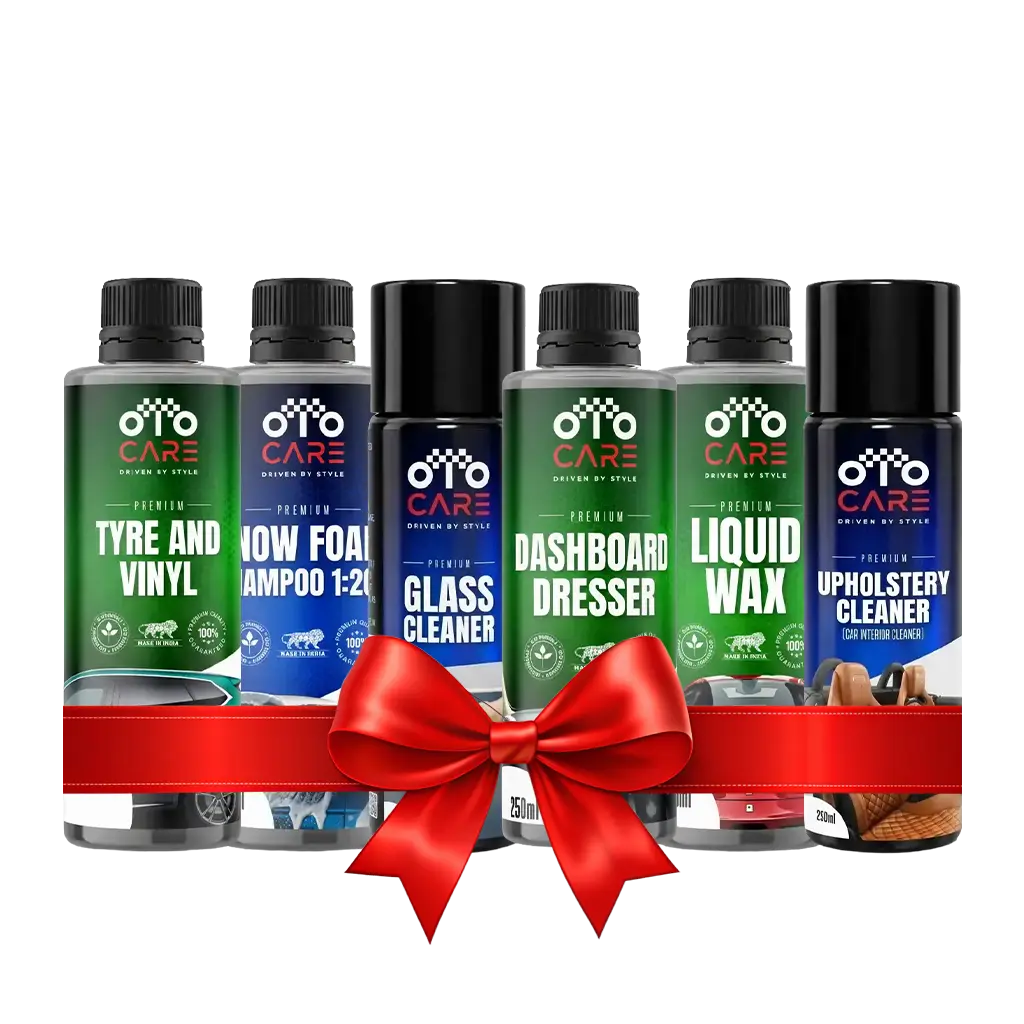
The most effective way to prevent fading is to create a physical and chemical barrier between the sun and your car’s paint. Start by washing your car regularly using a pH-neutral car shampoo. Removing dust and bird droppings is vital, as these substances become highly acidic when heated, eating through the clear coat in hours. Always wash your car in the shade or early in the morning when the body panels are cool to the touch to avoid water spotting.
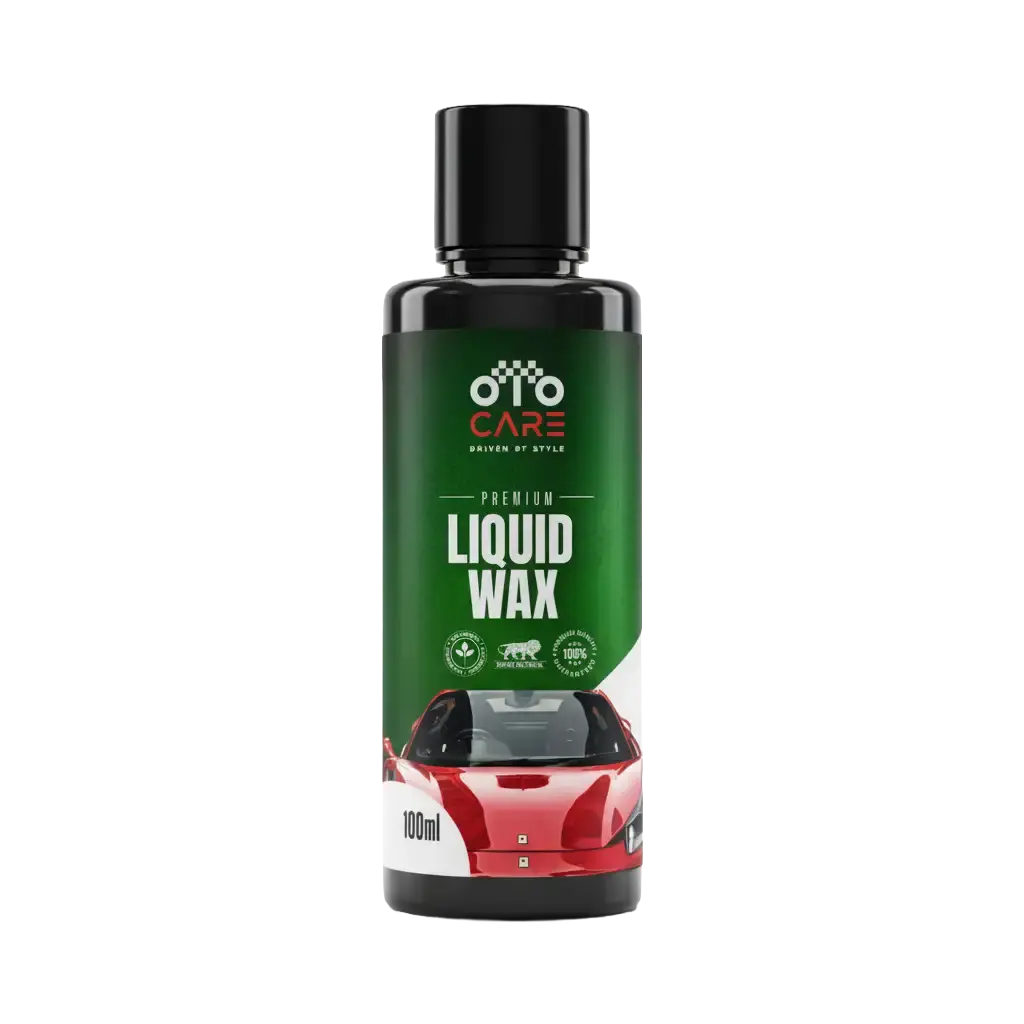
After cleaning, applying a high-quality liquid wax or sealant is the single best defense against UV rays. Wax acts like sunscreen for your car; it contains UV inhibitors that absorb and dissipate harmful radiation before it reaches the pigment. For long-term protection in Indian conditions, aim to apply a fresh coat of wax every two months during the peak summer season. This sacrificial layer will take the brunt of the environmental damage, leaving the factory paint underneath pristine.
Darker colors, specifically solid red and black, fade the fastest because they absorb more heat and UV radiation compared to lighter colors like white or silver.
It is recommended to apply a protective wax coating every 8 to 10 weeks during the peak summer months to maintain a consistent UV barrier.
Only if the car or the cover is dirty. Ensure your car is clean before putting on a cover, and use a breathable material to prevent moisture and heat from being trapped against the paint.
White paint is the most resistant to fading, but it can suffer from ‘yellowing’ over time if the clear coat is not protected from heavy oxidation and industrial fallout.
No, polishing involves removing a micro-layer of the clear coat. You should only polish once or twice a year. For monthly maintenance, stick to waxing and gentle washing.
Never use dish soap or laundry detergent. These are designed to strip grease and will quickly remove all protective wax layers, leaving your paint vulnerable to the sun.