



Maintaining a vehicle’s aesthetic appeal involves more than just a simple wash and wax. Over time, your car’s exterior faces a barrage of contaminants that standard soap simply cannot touch. Among the most frustrating of these are asphalt specks and sticky residues. Using a dedicated car tar remover is the only way to ensure these bonded contaminants are safely lifted without damaging the underlying paintwork.
Many drivers overlook the microscopic damage caused by road debris. When hot asphalt or road oils hit your car, they cool and harden, creating a chemical bond with the clear coat. A high-quality car tar remover works by breaking down these hydrocarbons, allowing them to be wiped away without abrasive scrubbing. This process is essential for preserving the resale value and visual integrity of your vehicle.
In this comprehensive guide, we will explore why a professional-grade solution is superior to household alternatives. We will also dive into the technical aspects of how an adhesive remover spray for car surfaces works to tackle glue, sap, and decal residues. By the end of this article, you will be equipped with the knowledge to perform a professional-level decontamination at home.

Road tar is a byproduct of petroleum, meaning it is naturally hydrophobic and resistant to water-based cleaners. If you attempt to scrub these spots off with a sponge, you risk creating swirl marks or deep scratches in your paint. A specialized car tar remover acts as a solvent that liquefies the tar upon contact, making the cleaning process touchless and safe.
Beyond just visual appeal, tar can actually trap moisture against the paint, leading to oxidation or premature rust if left untreated. Regular application of a car tar remover during your monthly wash routine prevents this buildup. It ensures that your protective waxes and sealants can bond directly to the paint rather than sitting on top of dirt. For more technical details on tar composition, you can visit Wikipedia’s page on Tar.
Furthermore, these products are formulated to be safe on various surfaces. Whether you have a modern clear coat, an older single-stage paint, or even plastic trim, a high-quality car tar remover provides versatility. It targets the contaminant specifically while leaving the substrate unharmed, which is a hallmark of professional detailing chemistry.
Sticky residues from old bumper stickers, dealer decals, or protective films can be incredibly stubborn. This is where an adhesive remover spray for car becomes an invaluable tool in your detailing arsenal. These sprays are designed to penetrate the thick layers of glue that standard cleaners often ignore.
The chemical composition of an adhesive remover spray for car allows it to dwell on the surface without evaporating too quickly. This dwell time is crucial for softening the adhesive bond, allowing for a clean peel. Without such a product, many enthusiasts resort to heat guns or plastic scrapers, which significantly increase the risk of heat damage or gouging.
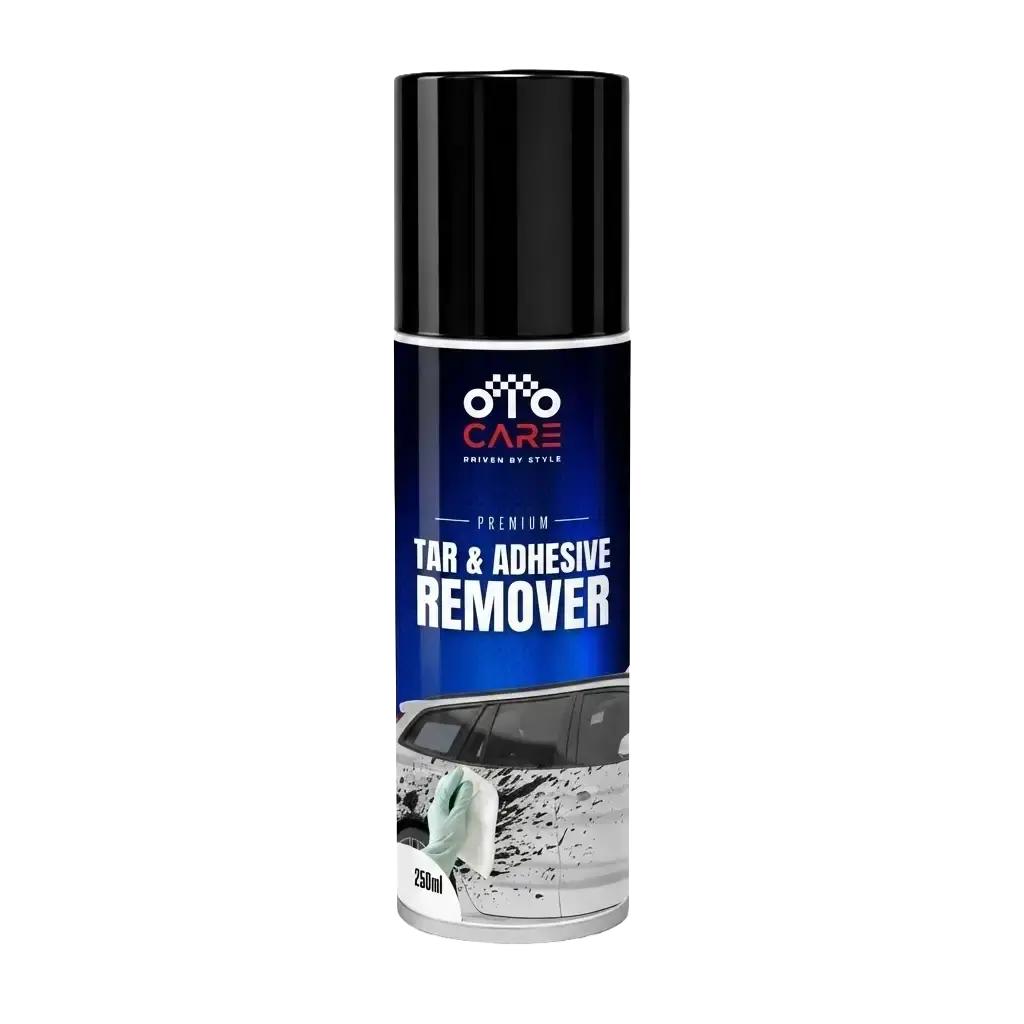
When you use the Best Tar & Adhesive Remover, you are getting a dual-action formula. These products are engineered to dissolve both organic contaminants like tree sap and synthetic residues like glue. This efficiency saves time and money, as one bottle replaces several different specialized cleaners on your shelf.
Solvent-based cleaners are generally the industry standard for removing heavy oils. A car tar remover typically falls into this category because solvents are needed to break down the complex molecules in bitumen. These solvents are carefully balanced to ensure they are aggressive enough for tar but gentle enough for the clear coat.
Water-based alternatives are becoming more common for light cleaning but often lack the “bite” required for heavy contamination. If you are dealing with thick chunks of road debris from a construction zone, a solvent-based car tar remover is the preferred choice. It penetrates the core of the debris, ensuring a thorough clean every time.
To achieve the best results with your car tar remover, you must follow a systematic approach. First, always wash your vehicle thoroughly to remove loose dirt and dust. Applying a chemical cleaner to a dirty car can trap grit between your cloth and the paint, causing unnecessary micro-marring.
Once the car is clean and dry, spray the car tar remover directly onto the affected areas. Allow the product to dwell for approximately 1 to 3 minutes, but do not let it dry on the surface. You will notice the tar beginning to “bleed” or run down the panel, which indicates the chemical reaction is taking place.
Gently wipe the area with a high-quality microfiber towel. For stubborn spots, you may need a second application of the car tar remover rather than applying more pressure. Once finished, rinse the area with water or use a quick detailer to neutralize any remaining solvent residue. To see our full range of towels, View our collection and get the right tools for the job.
When dealing with old vinyl stickers, the adhesive remover spray for car works best if you can lift a small corner of the decal first. Spray the solution behind the lifted edge as you slowly pull the sticker away. This keeps the adhesive wet and prevents it from re-bonding to the paint as you work.
It is also important to consider the temperature of the panel. You should never apply a car tar remover to a surface that is hot to the touch or in direct sunlight. Heat causes the solvents to evaporate instantly, which can leave unsightly streaks or chemical staining that is difficult to remove without polishing.
If you are working on sensitive areas like plastic trim or rubber seals, test the car tar remover on an inconspicuous spot first. While most professional formulas are safe, some plastics are more porous than others. Ensuring compatibility beforehand is a hallmark of a professional detailer’s mindset.
If you plan to polish your vehicle, using a car tar remover is a mandatory step. If you run a polishing pad over a speck of tar, that tar will get trapped in the pad. This turns your soft foam pad into an abrasive sandpaper-like surface, which will ruin your paint’s finish in seconds.
By using the Best Tar & Adhesive Remover before you start the mechanical decontamination (claying) or polishing, you ensure a clean canvas. This chemical decontamination step significantly extends the life of your clay bars and polishing pads. It is the secret step that separates amateur results from a professional mirror-like finish.
Many detailing experts recommend a “triple threat” decontamination: iron removal, car tar remover application, and then a clay bar. This trifecta ensures that every possible contaminant is removed. To learn more about the full process, View our collection of detailing kits and bundles.
Many people search for “home remedies” to avoid buying a dedicated car tar remover. Common suggestions include WD-40, peanut butter, or even gasoline. While these might have some solvent properties, they often contain additives that are not designed for automotive paint and can leave oily films or strip the paint’s oils.
Gasoline, in particular, is highly dangerous and can permanently damage the clear coat over time. A professional car tar remover is engineered specifically for the automotive environment. It is pH-balanced and contains lubricants that protect the paint while the cleaning agents work their magic.
Furthermore, household products lack the controlled evaporation rates of a dedicated adhesive remover spray for car surfaces. This means you end up working harder and risking more damage for a result that is rarely as clean as a professional product would provide. Investing in the right chemistry is always cheaper than a trip to the body shop.
Modern car tar remover formulas have come a long way in terms of environmental safety. Many premium brands now offer biodegradable options that are less harsh on the environment. When using these chemicals, always work in a well-ventilated area and wear gloves to protect your skin from the drying effects of solvents.
Choosing the Best Tar & Adhesive Remover often means choosing a product that balances power with safety. Look for labels that mention low VOC (Volatile Organic Compounds) to ensure you are using a more modern, eco-friendly formulation. This allows you to maintain your vehicle without a heavy chemical footprint.
In conclusion, a car tar remover is not just an optional luxury but a necessity for any serious car owner. It provides a safe, efficient, and professional way to handle the toughest road contaminants. By incorporating this tool into your routine, you ensure your vehicle remains in showroom condition for years to come.
Whether you are removing road grime with a car tar remover or cleaning up old decals with an adhesive remover spray for car, the right product makes all the difference. Don’t let stubborn spots ruin your paint; take control of your vehicle’s appearance today. With the Best Tar & Adhesive Remover in your kit, you are ready for any challenge the road throws at you.